
The Belong home-planning notes
Big dreams.
A thoughtful start.
A home is an emotional investment, as well as a practical one. Here is a little clarity for the journey ahead: the questions to ask, the things to gather, and the decisions to make together.
Make your first-conversation checklist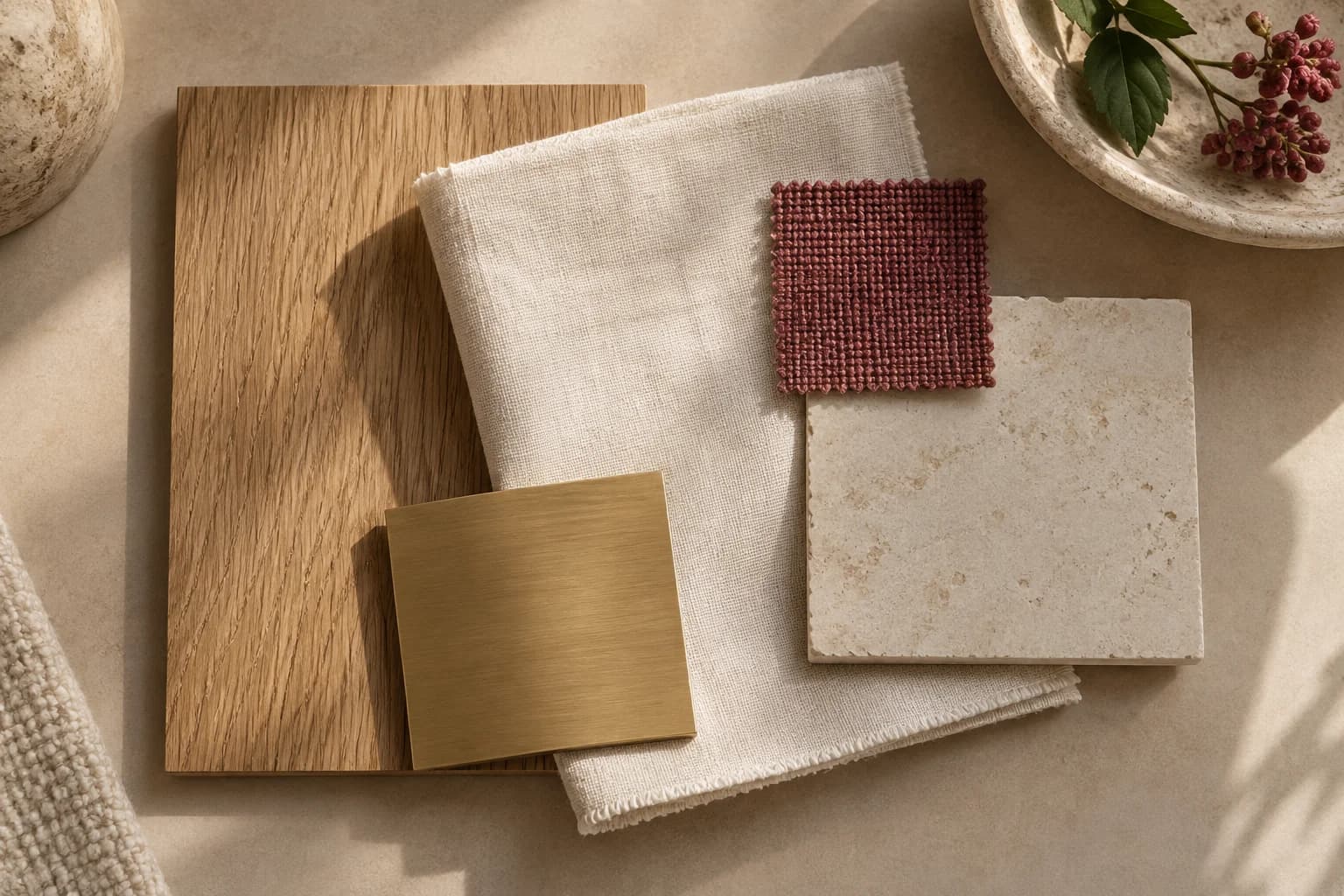 YOUR LIFE.
YOUR NEXT CHAPTER.
The brief before the beautiful.
Start with your life. The design follows.
Think about a normal weekday, from the first light to the last thing you put away. Where do people gather? What is always difficult to find? Which corner helps you feel settled? A useful brief makes space for the ordinary details, alongside the big ideas.
- List what works today, what feels missing and what you want to keep.
- Think about every person using the space: their routines, hobbies and need for privacy.
- Choose three feelings you want more of, such as calm, togetherness or everyday ease.
Every cost, understood.
Give your priorities a place in the budget.
Start with a comfortable overall range and separate the essentials from the things you can phase later. The same room can take very different directions depending on the extent of work, materials, furniture and existing conditions. A clear scope is more useful than a price without context.
- Discuss design, execution, furniture, lighting and appliances as distinct parts of the plan.
- Ask which taxes, delivery, installation and site-related costs are included or excluded.
- Discuss how unforeseen work will be assessed and approved, especially in an existing home.
A good home works beautifully, too.
Plan the everyday before the finishes.
A lovely surface cannot fix a cupboard that is difficult to reach or a dining chair that blocks the way. Review furniture placement, circulation, storage and lighting as a connected plan. Use your actual appliances and furniture dimensions where possible, rather than relying on how a reference image looks.
- Walk through the plan using everyday routines: arriving home, cooking, working and getting ready.
- Check doors, drawers, clearances and the space needed to use furniture comfortably.
- Review power points, task lighting and appliance positions alongside the layout.
See it. Touch it. Understand it.
Choose materials you want to live with.
Bring samples together and look at them in the light of your home. Ask how each surface handles its intended use, how it is cleaned, and what the approved specification includes. Colour is only one part of a material decision; touch, joins, edges and maintenance matter too.
- Record the material, finish, colour and relevant product or hardware specification.
- Discuss care needs and suitability for the actual room and use.
- Agree how substitutions will be proposed and approved before they reach the site.
Less guesswork. More peace of mind.
Know what belongs in your quote.
A useful quotation connects the drawings and specifications to the work being priced. Read it alongside the scope, rather than just comparing the final number. If two proposals differ, first check whether they include the same work, materials and services.
- Ask for an itemised scope with inclusions, exclusions and approved specifications.
- Review milestones, payment stages, responsibilities and the decisions needed from you.
- Agree how changes to scope, cost or timing will be recorded and approved.
Care through the last detail.
Plan for the first evening — and after.
Discuss your move-in hopes early, together with site access, building rules and dependencies that may affect the schedule. During the work, agree who keeps you informed and how often. A thoughtful handover should make it clear what is complete and what still needs attention.
- Agree a realistic sequence, approval deadlines and a regular update rhythm.
- Walk through the home together and record any outstanding items, owners and follow-up dates.
- Collect available product information, applicable warranty documents and material-care guidance.
Make a little room for a good beginning
Your first-conversation checklist.
You don’t need every answer. Gather what you can; the rest can begin with a conversation.
0 of 6 ready
Your checklist stays on this page until you leave. Save a copy to keep it.